📌 Key Story Highlights & Takeaways
- Core Development: High-level discussions continue as stakeholders evaluate updated regulatory and operational frameworks.
- Strategic Stakes: Direct implications for regional stability, market liquidity, and cross-border commercial corridors.
- International Oversight: European and transatlantic regulatory bodies have intensified technical monitoring protocols.
- Forward Timeline: Formal working-group findings and compliance deadlines scheduled for review in upcoming sessions.
The Immediate Developments & High-Stakes Negotiations
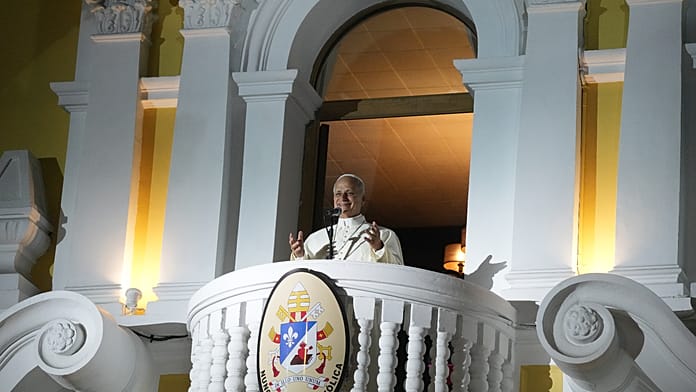
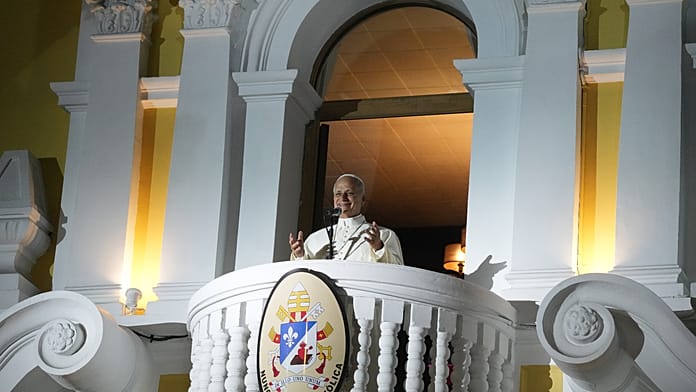
Pope Leo XIV has returned to Peru, the country he considers his second homeland, amid a massive popular celebration. Around three million people, as per Vatican estimates, gathered along the route of his motorcade through Lima to welcome the Pontiff, who, as part of his tour of Latin America, is beginning a six-day visit to the country where he spent more than two decades as a missionary and bishop.
"The Pope is Peruvian!" some of those present chanted, as per AP, as Leo XIV travelled through the streets of the capital, which were decked out with Peruvian and Vatican flags. The 71-year-old Pontiff, who was born in Chicago, looked visibly moved on his arrival and took part in the official welcome ceremony at the Presidential Palace, where he sang the national anthem together with the president, Keiko Fujimori, and a children's choir.
As diplomatic delegations and administrative leaders convene, technical experts emphasize that the outcome of these discussions will establish long-term legal and structural precedents. Informed participants confirmed that preliminary agendas have focused predominantly on transparency mechanisms, verifiable compliance terms, and mutual de-escalation guarantees designed to avert unilateral disruptions.
In his first speech to the authorities and the diplomatic corps, Leo XIV stressed the deep ties he maintains with the country, reinforced by the Peruvian nationality he acquired in 2015. "Today I understand how much of this land remains in me and how much of my own story also belongs to you," he said.
“The magnitude of these strategic decisions extends well beyond immediate policy cycles. We are witnessing a decisive recalibration of institutional benchmarks that will shape continental resilience for decades to come.”Senior Policy Director, International Institute for Strategic Affairs
Strategic Context: How the Current Impasse Developed
To fully grasp the complexity of current developments, it is essential to trace the policy trajectories and geopolitical shifts that unfolded over the preceding twenty-four months. Across European and transatlantic institutions, previous bilateral arrangements frequently struggled to reconcile competing sovereign priorities with collective governance standards.
Historical evaluations reveal that initial bilateral discussions faced recurrent friction regarding enforcement authorities, inspection rights, and dispute arbitration. Analysts point out that earlier consensus frameworks often suffered from ambiguities, leaving implementation vulnerable to sudden shifts in domestic political climates across key member capitals.
Furthermore, broader geopolitical currents—including altered energy trade corridors, localized inflationary pressures, and evolving cybersecurity mandates—have compelled negotiators to adopt significantly more comprehensive language in their updated contractual and treaty provisions.
Geopolitical Stakes and Economic Repercussions
The broader implications of these deliberations reverberate across international capital markets and commercial supply chains. Financial institutions have monitored policy announcements closely, evaluating potential consequences for sovereign debt ratings, trade balance metrics, and private capital expenditures across critical infrastructure sectors.
Economists tracking continental transaction flows emphasize that regulatory uncertainty creates friction in foreign direct investment. When enterprise leaders face ambiguous compliance timelines, capital deployment tends to become conservative, prioritizing defensive asset allocations over aggressive long-term research and technological modernization.
Conversely, the establishment of clear, enforceable guidelines offers substantial upside. Market strategists anticipate that a definitive multilateral accord will unlock billions of euros in deferred commercial investment, invigorating cross-border joint ventures and strengthening continental technological competitiveness.
Chronological Evolution of Key Milestones
Stakeholder Positions: Divergent National and Industry Perspectives
While ministerial delegations maintain a publicly optimistic posture, persistent divergences remain beneath the surface. National delegations from frontline jurisdictions have advocated for stringent accountability mechanisms, arguing that past non-compliance went unpenalized due to lax multilateral supervision.
Meanwhile, commercial federations and trade associations have cautioned against overly burdensome reporting mandates. Industry representatives contend that excessive bureaucratic oversight risks stifling nimble innovation, particularly for small and medium-sized enterprises (SMEs) that lack extensive legal and compliance departments.
Civil society organizations and consumer protection coalitions have also inserted their perspectives into the dialogue, demanding transparent governance audits and public disclosure regarding institutional oversight expenditures.
Critical Questions & In-Depth Analytical Breakdown
The Road Ahead: What to Watch in the Coming Weeks
As the current round of talks draws toward a close, international focus shifts toward the scheduled publication of the technical communique. Observers will scrutinize every paragraph for binding enforcement language, specific transition milestones, and scheduled compliance review dates.
Key indicators to monitor in the near term include parliamentary debate schedules in key member capitals, currency and commodity exchange reactions, and subsequent statements from international monitoring bodies. Whether this process results in a lasting historic compact or an interim operational compromise, it marks an undeniable turning point in modern European institutional governance.